Ironstride
Functional Movement & Cadence Science

Optimize Your Walking Cadence & Daily Mobility

Discover how step frequency, musculoskeletal alignment, and active recovery cycles create lasting movement resilience and daily endurance.

Mobility & Cadence Self-Assessment
Step 1 of 4
1. What is your typical daily step cadence and volume?
Evaluate your general daily locomotion rhythm.
2. How much time do you spend in stationary desk posture?
Assess your uninterrupted sedentary exposure during work hours.
3. How would you describe your current joint mobility and stride comfort?
Focus on hip flexor, ankle dorsiflexion, and thoracic range of motion.
4. What is your current active recovery and sleep hygiene routine?
Recovery habits dictate musculoskeletal repair and pacing consistency.
Assessment Complete

Analyzing Profile...

Generating your personalized movement cadence and mobility recommendations based on biomechanical parameters.

Cadence Index
--
Optimal Step Cadence
--
Target Protocol
--
View Matching Programs

Cadence Pacing

Increasing step frequency by 5-10% significantly reduces impact forces on hip and knee joints while optimizing caloric expenditure.

Posture Ergonomics

Active spinal elongation and hip neutral positioning counteract the compressive fatigue associated with prolonged desk work.

Active Recovery

Structured low-intensity cadence walking facilitates lymphatic circulation, downregulates autonomic stress, and enhances sleep depth.

Biomechanical Principles

The Science of Step Cadence: Why Frequency Protects Joints

Human locomotion is a harmonic system governed by stride length and step cadence. When walking at a sluggish cadence with overextended strides, ground reaction forces surge directly into the heel and lower back.

By adopting an intentional cadence of 105 to 118 steps per minute, load distribution shifts dynamically to the calf and plantar musculature, protecting cartilage structures and cultivating sustainable daily mobility.

  • ✓ Minimizes vertical oscillation and excessive heel strike impact.
  • ✓ Promotes natural hip alignment and gluteal activation.
  • ✓ Stimulates aerobic zone circulation without joint wear.
Explore Cadence Modules
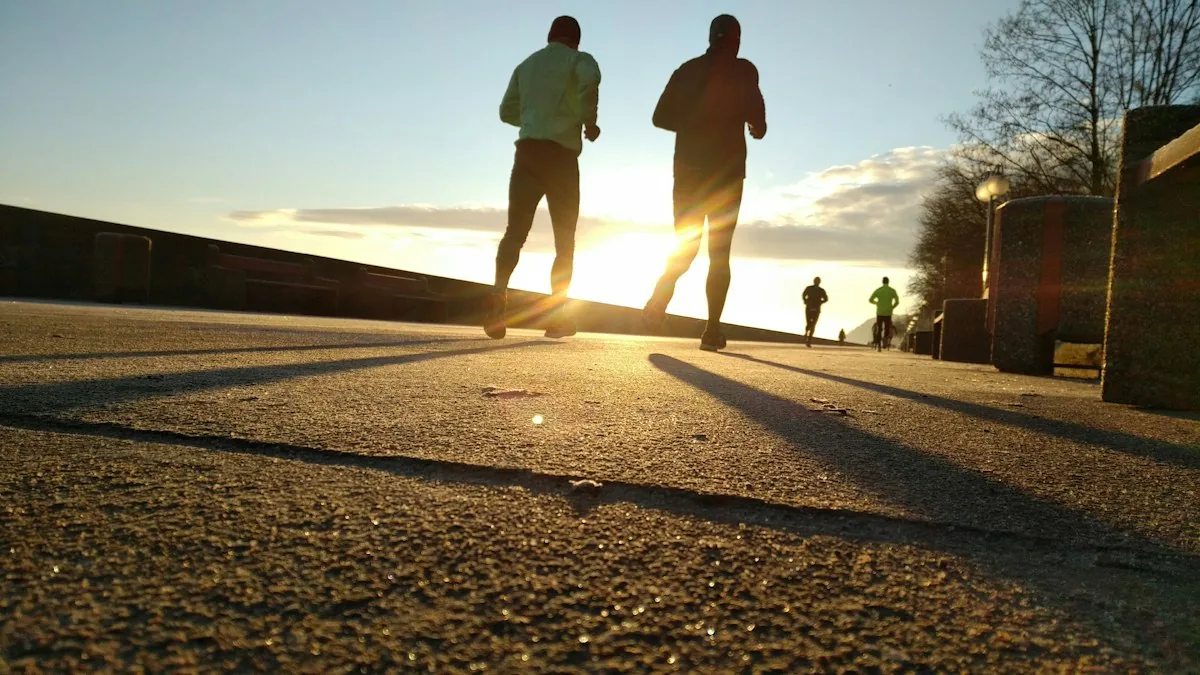
Individual maintaining brisk walking cadence outdoors
Practical Frameworks

Structured Mobility & Cadence Programs

Designed for desk professionals, recreational walkers, and endurance enthusiasts seeking biomechanical balance.

Daily mobility routine for joint lubrication
Foundation

Daily Cadence Reset (100 SPM)

A 20-minute daily walking protocol engineered to synchronize step tempo, restore natural stride rhythm, and overcome morning stiffness.

Duration: 21 Days Focus: Locomotion Rhythm
Ergonomic desk alignment and posture check
Ergonomics

Spinal Decompression & Posture Flow

Targeted micro-stretching intervals for office environments to decompress thoracic vertebrae and release chronically tight hip flexors.

Duration: Ongoing Focus: Workplace Longevity
Active recovery session following endurance activity
Recovery

Aerobic Cadence Foundation (115 SPM)

Progressive pacing routines for recreational runners and brisk walkers looking to build cardiovascular endurance safely.

Duration: 6 Weeks Focus: Aerobic Base
View Complete Program Catalog
Educational Insights

Evidence-Based Movement Research

In-depth analyses from our editorial team on walking physiology, sleep hygiene, and functional longevity.

Detailed biomechanics of lower extremity cadence
Biomechanics

The Mathematics of Cadence: Load Reduction at 110 SPM

How shorter, quicker steps decrease peak tibial acceleration and preserve articular cartilage over decades of walking.

Read Analysis →

Stretching and joint mobility testing
Mobility

Ankle Dorsiflexion: The Hidden Driver of Walking Rhythm

Restoring ten degrees of talocrural mobility unlocks effortless toe-off mechanics and prevents compensatory knee strain.

Read Analysis →

Restorative rest and sleep hygiene
Recovery

Circadian Pacing: Walking Protocols to Deepen Sleep

Pairing morning optical light exposure with evening parasympathetic cool-downs to optimize restorative stage-three sleep.

Read Analysis →
Editorial Standards

Published by Registered Polish Healthcare Enterprise

Ironstride operates as an educational and technical movement consultancy. Every protocol, assessment index, and physiological guide is developed with rigorous review protocols.

The project is maintained and published by ZAKŁAD OPIEKI MEDYCZNEJ CER-MED SPÓŁKA Z OGRANICZONĄ ODPOWIEDZIALNOŚCIĄ, a registered healthcare entity in Krotoszyn, Poland. Under the management of Wojciech Łapuć, our team bridges exercise physiology research and ergonomic daily habits.
Meet Editorial Board View Corporate Details
Board Member reviewing movement research literature
Common Inquiries

Frequently Asked Questions

Key clarifications regarding step cadence, desk posture, and active recovery protocols.

For most adults, an optimal functional walking cadence lies between 105 and 118 steps per minute. At this tempo, the body naturally shortens stride length, shifting impact forces from passive joint cartilage to the active muscular spring of the lower leg.
We advocate for the 45-minute reset rule. Spending 90 to 120 seconds in standing spinal extension, gently opening the anterior hip flexors, and taking 100 paces prevents viscoelastic creep in lumbar ligaments.
No specialized gym equipment is required. Our foundational tracks utilize bodyweight mobility drills, free auditory metronome apps for cadence synchronization, and comfortable walking shoes.
Low-intensity walking at a relaxed tempo promotes parasympathetic nervous system tone, facilitating cortisol clearance and signaling circadian sleep onset.
Yes. Our Track 1 (Daily Cadence Reset) is specifically scaled for beginners and sedentary office workers, starting with manageable 15-minute intervals and gradual pacing progressions.

Stay Informed on Movement Science

Subscribe to our bi-weekly research brief summarizing current kinematic studies, desk ergonomics, and active longevity frameworks.